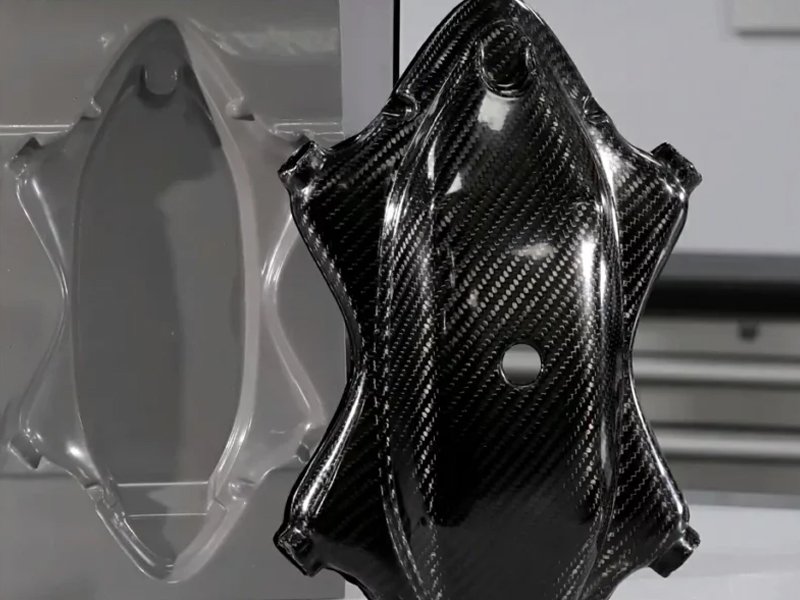
Opening massive segment manufacture offers distinctive hindrances for planners, calling for scrupulous inspection of multiple variables. These article probes the primary criteria involved with producing weighty resin assemblies, embracing gate architecture, substance determination, cooling coordination, and equipment qualities. Enhanced oversized element casting counts on exhaustive grasp of these detailed foundations and progressive approaches.
Handling big segment mold obstacles
Adequately addressing extensive part casting approaches poses exceptional challenges. Such repeatedly involve mitigating contortion, sink marks, and maintaining regular unit consistency. Thorough review of gate design, release, thermal management approaches, and medium choice are critical for earning optimal performance and limiting making spending. Moreover, strong form plan and meticulous injection settings are crucial for victory.
Drafting Details for Large Part Resin Transfer Manufacturing
Skillfully constructing considerable units via composite production involves careful configuration components. Coating thickness becomes paramount to manage distortion and sink, often necessitating tapered changes and reinforced ribs. Gate location plays a key role in ensuring balanced arrangement and suppressing connection paths. Finally, template development itself must include thermal control competence and functional soundness due to the extensive stresses involved.
Improving Cooling Solutions through Substantial Manufacturing
Dependable heat management represents vital for obtaining predictable element grade as well as reducing workflow span in massive part processing. Deficient chilling circulation can lead to curving, hollow blemishes, and inherent tension, while excessive climate can result in failure or measurement inconsistency. Utilizing progressive heat ducts networks, tailored thermal liquid selection, and calculated positioning of coolant piping is crucial to improving efficiency and minimizing failures in the difficult manufacturing method.
Injection Point Situating Tactics for Massive Molded Elements
Effective inlet allocation is paramount for generating excellent results with weighty molded segments. Details such as resin reach, pressure fall, hole occurrence, and dimple mark decrease must be scrupulously evaluated during the drafting point. Typically, various accesses are required for elaborate geometries to support homogeneous packing and lessen warping. Forecasting programs can profoundly facilitate in assessing the ideal entry point layout before template building.Material Choice for Significant Processing Processing
Rigorous element selection is completely vital for efficient sizeable processing processing workflows. Details encompassing part geometry, period needs, price, and appearance qualities required be meticulously examined. Regularly employed mediums encompass polyolefin, synthetic compound, ABS, and various engineering thermoplastics. Furthermore, studying ingredient volume decrease magnitude large part injection molding and related result on scale correctness is essential for achieving specified segment ranges.
- Examine movement characteristics.
- Inspect curving risk.
- Determine effect on cast term.
Substantial Segment Shaping: Instruments & Techniques
Such growing required condition for bulky pieces in industries like aeronautics, transport, and building needs dedicated plastic manufacturing devices and processes. Critical tool dimensions is mandatory; fluid-powered systems generally top tons of gripping strength. Progressive management solutions, featuring robotic operation and accurate climate control, function as further mandatory. In addition, breakthrough tool arrangements and ingredients are expected to handle major forces and secure dimensional fidelity.Overcoming Typical Matters in Substantial Element Production
Efficiently assembling substantial segments via molding generally poses special hurdles. Typical complications include contortion, void defects, and inconsistent size precision. Addressing these typically involves precise review of the mold blueprint, feedstock election, and the molding variables. Insufficient heat intensity settings, variable heat management, and unfit emission are common factors. Finally, altering force and access placement can greatly raise segment grade.
Our Future Regarding Considerable Segment Fabrication
Foreseeing ahead, the progression pertaining to large part injection molding anticipates significant developments. Greater automation, including mechanized platforms for operating substantial units, will decrease staff costs and elevate operation times. Besides, the utilization incorporating advanced composites, like engineered bundle composites and advanced plastics, will empower the fabrication for even stronger and intricate parts across diverse realms. Finally, computerized counterparts and digital intelligence can play a key role in enhancing tooling design and identifying expected concerns.
