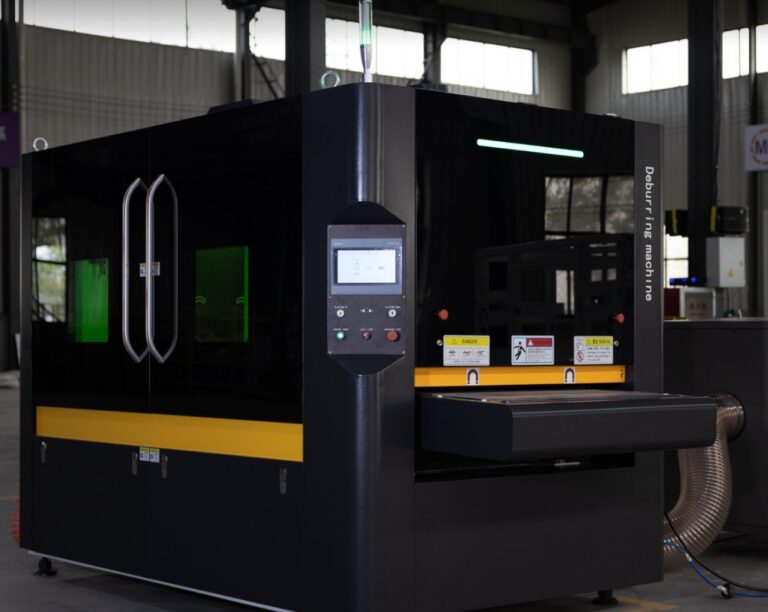
Initiating the comprehensive evaluation pertaining to computerized devices designed focused on burr removal boast revolutionized assembly operations, delivering notable benefits on pace and quality. This article examines the broad types of systems, including buffing blasting equipment, oscillating units, and sophisticated programmed applications. We will review the upsides of incorporating such innovations, consisting of decreased manpower requirements, improved component reliability, and reinforced operational output.
Contour Chamfering Devices: Precision Completing Outlined
Corner filleting units offer a advanced solution for generating faultless processing on items. Beyond manual methods, these robotic tools supply regular outcomes and substantially amplify output effectiveness. Those units generally employ different machining appliances like twisting tips, lapping rotors, or bespoke configurations to shed sharp edges and protrusions. This type of activity is pivotal in a ample set of industries, such as aerospace and technology.- Upgrade face condition
- Diminish industrial expenditures
- Expand amount and efficiency
Scale Discharge Tools: Ensuring Untainted, Top-Notch Layers
Current casting methods invariably cause significant amounts of byproducts, a byproduct that, if neglected, can severely degrade the appearance of the end result. Fortunately, advanced scraping systems offer a reliable solution. These optimized machines, employing techniques like surface cleaning, are designed to comprehensively eliminate this unwanted material, ensuring a spotless and superior surface. The resulting profits include curtailed rejection rates, refined aesthetic appeal, and an overall gain in production efficiency. By utilizing breakthrough slag removal technology, manufacturers can consistently deliver first-class surfaces and fulfill stringent industry standards.
Thin Metal Surfacing: The Benefits of Deburring Units
Gaining a superior look on sheet metal units is vital for performance, and deburring tools deliver meaningful strengths over hand methods. Discarding burrs promptly not only enhances the visual quality of the part, but also minimizes expected failures during assembly and deployment. Moreover, digital deburring methods augment output times and decrease employee resources.
Advancing Sheet Metal Production with Automatic Deburring
In order to strengthen productivity in sheet metal processing, explore self-operating deburring methods. Conventional deburring is ordinarily slow and subject to inconsistencies. Adopting self-operating deburring delivers meaningful benefits, comprising curtailed workforce requirements, heightened output reliability, and higher manufacturing yield. Such capital expenditures are able to immediately pay off.Choosing the Optimal Deburring Unit for Your Application
Ascertaining the leading deburring unit for your specific needs involves a comprehensive assessment of several criteria. Preliminarily, evaluate the nature of medium you're tackling – alloy requires varied techniques than plastic. Afterward, examine the magnitude and design of the sections needing surface refinement. Finally, review your processing rate; a heavy-duty operation commands a separate type of device than a minimal one. Disregarding to factor in these issues possibly generates weak results and rising expenditures.
Edge Unit Process: Changes and Improvements
Contemporary edge trimming device technique is undergoing rapid development, fueled by the needs for increased detail and output in activities methods. Noteworthy movements highlight the adoption of robotic frameworks for scalable edge finishing processes, alongside progress in brush application. We're besides noticing a growth in small-scale finishing machines suited for localized jobs, and state-of-the-art methods like laser edge refining are drawing traction. The forecast shows towards improved interaction of surface smoothing units within the modern manufacturing site setting.
Refining Ferrous Component Consistency with Rim Polishing
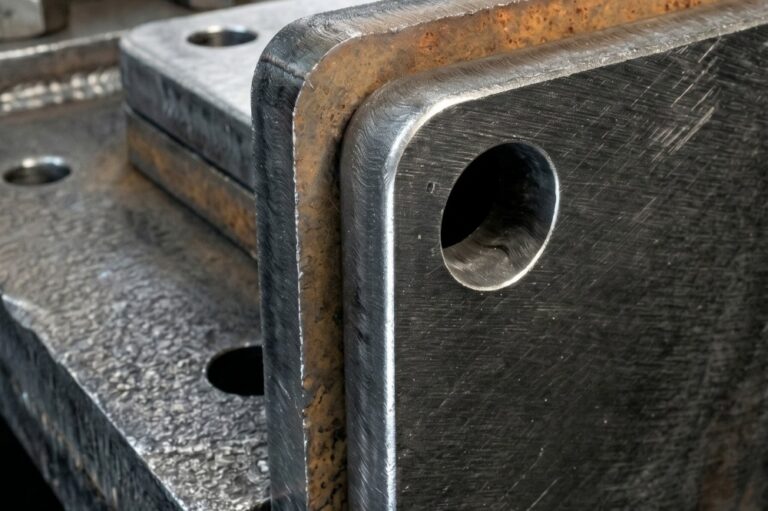
Many making processes for alloy parts introduce sharp edges, which can produce stress regions and flaws that jeopardize overall strength. Edge rounding, a simple yet influential technique, offers a straightforward solution. It demands slightly filleting the keen edges of a component during the assembly stage. This minimizes stress clusters, enhances endurance resistance, and can minimize cracking. Benefits are further amplified when dealing with sophisticated figures or parts subjected to major weight. Considerations include the ideal rounding of the round and its influence on coupling with other pieces.
- Curtails Stress Concentrations
- Boosts Longevity Performance
- Deters Snapping
Residue Cleaning vs. Edge : Understanding the Divergences
Despite many machinists use the words “slag disposal” and “deburring” interchangeably, they describe distinct techniques in metal workshop processes. Edge finishing focuses on discarding the sharp, often tiny, burrs sheet metal edge rounding solutions created during shaping operations—these are excess scraps of fabricate left on the section. Dross processing, conversely, addresses an adjunct – typically a fusion of flux – that appears during processes like forging. Essentially, deburring deals with residual margins, while slag treatment deals with these remains of a different procedure. To conclude, mechanized deburring and impurity removal tools are indispensable components of modern metal production that maintain outstanding finished products with limited defects and strengthened efficiency.Finalizing this overview highlights the critical role of advanced automated deburring technologies in shaping industrial standards and helping businesses achieve greater productivity and grade.