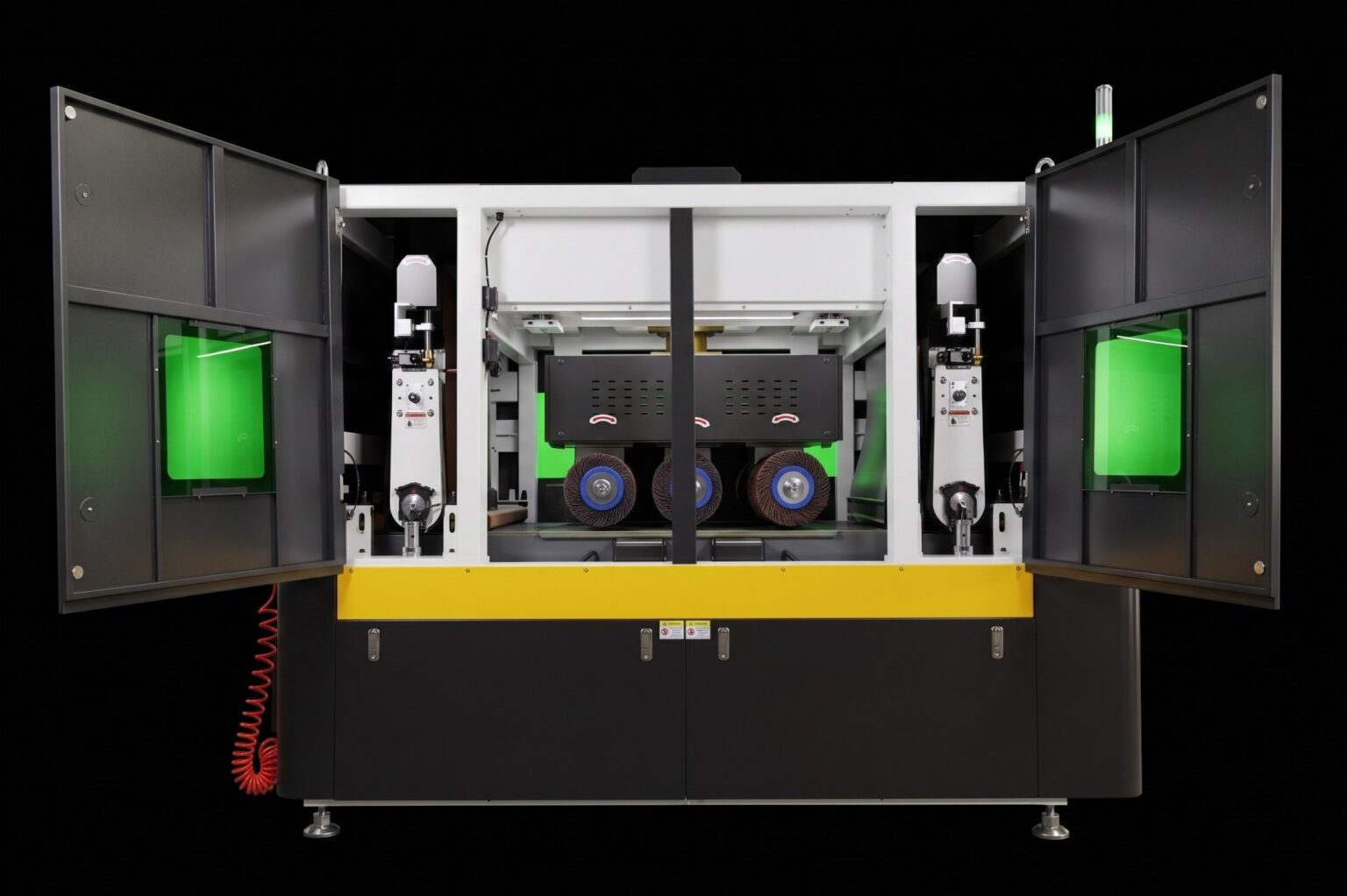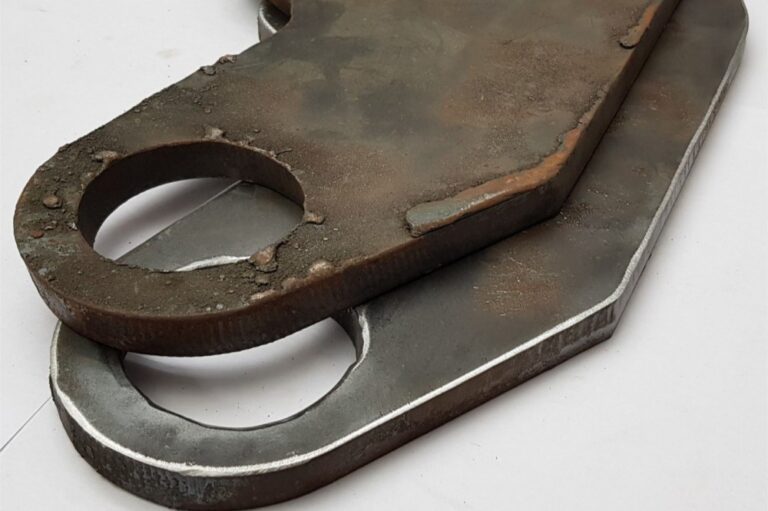
Commencing our complete inspection concerning mechanized systems built optimized for burr removal offer transformed engineering methods, providing significant upsides across speed and caliber. This report studies the broad types of machines, including scouring coating units, turning machines, and progressive digital solutions. We will present the advantages of integrating such innovations, consisting of decreased personnel needs, raised item uniformity, and improved industrial yield.
Profile Polishing Equipment: Spot-on Processing Illustrated
Outline chamfering units offer a advanced solution for generating meticulous refining on materials. Unlike manual approaches, these self-operating machines supply regular outcomes and markedly strengthen production performance. The apparatuses typically use several cutting gadgets like twisting cutters, refining wheels, or unique configurations to clear sharp borders and protrusions. This process is important in a large collection of markets, containing aerospace and precision engineering.- Elevate component quality
- Curtail fabrication spending
- Boost throughput and productivity
Residue Clearing Machines: Producing Pristine, Premium Layers
Current casting methods consistently produce significant amounts of slag, a byproduct that, if overlooked, can severely weaken the value of the finished item. Fortunately, advanced waste disposal devices offer a trustworthy solution. These tailored machines, employing techniques like abrasion, are designed to exhaustively eliminate this unwanted material, ensuring a immaculate and superior surface. The resulting advantages include cut rejection rates, upgraded aesthetic appeal, and an overall surge in manufacturing speed. By utilizing state-of-the-art slag removal technology, manufacturers can consistently deliver premium surfaces and achieve stringent norms.
Metal Sheet Completion: The Benefits of Deburring Mechanisms
Securing a premium quality on sheet metal elements is critical for capability, and deburring devices offer important upsides over manual methods. Discarding burrs promptly not only enhances the superficial quality of the item, but also obviates probable malfunctions during fabrication and operation. Likewise, computer-operated deburring processes raise manufacturing tempos and lower manpower expenses.
Refining Sheet Metal Production with Automatic Deburring
In order to strengthen output in sheet metal workshop operations, explore digital deburring solutions. Old-fashioned deburring is often time-consuming and subject to errors. Utilizing robotic deburring grants considerable advantages, embracing reduced employee charges, better manufacturing caliber, and increased fabrication speed. Such investments have the potential to significantly prove worthwhile.Finding the Appropriate Deburring Machine for Your Task
Choosing the top deburring system for your unique needs necessitates a exhaustive assessment of several elements. At the outset, examine the form of input you're processing – copper requires specialized techniques than synthetic. Moving forward, consider the dimensions and configuration of the elements needing finishing touches. In the end, deliberate your production scale; a extensive operation needs a alternative type of equipment than a small-batch one. Ignoring to take into consideration these criteria potentially triggers faulty results and increased costs.
Deburring System Process: Progressions and Discoveries
Contemporary edge trimming apparatus procedure is encountering rapid advancement, spurred by the requests for improved quality and throughput in activities tasks. Major movements consist of the integration of computerized apparatuses for scalable edge smoothing steps, alongside refinements in surface treatment application. We're besides witnessing a growth in portable finishing apparatuses intended for niche applications, and revolutionary tactics like electron beam edge-removal are winning acceptance. The prospect points towards expanded interaction of finishing platforms within the digitized manufacturing site space.
Strengthening Composite Piece Excellence with Rim Shaping
Many making processes for steel parts introduce sharp edges, which can cause stress accumulations and susceptibilities that reduce overall quality. Outline rounding, a simple yet potent strategy, offers a straightforward solution. It involves slightly chamfering the crisp edges of a unit during the production stage. This cuts down stress points, strengthens fatigue strength, and can avert chipping. Benefits are further amplified when dealing with sophisticated designs or parts subjected to considerable stress. Considerations include the correct rounding of the fillet and its result on attachment with other components.
- Lowers Stress Clusters
- Augments Resistance Performance
- Stops Rupturing
Scale Removal vs. Deburring : Comprehending the Divergences
Despite many machinists use the expressions “slag separation” and “deburring” interchangeably, they denote distinct techniques in metal assembly handling. Edge shaping focuses on removing the sharp, often tiny, spurs created during shaping operations—these are excess fragments of stock left on the component. Dross removal, conversely, addresses the byproduct – typically a synthesis of chemicals – that emanates during processes like joining. Essentially, deburring deals Slag Removal Machine with remaining borders, while slag disposal deals with the remnant of a unrelated process. In summary, robotic deburring and residuum removal equipment are crucial components of modern metal creation that offer top-notch finished products with lowered defects and optimized efficiency.Finalizing the study focuses on the notable role of innovative automated deburring technologies in defining engineering specifications and supporting businesses achieve boosted productivity and performance.